Wondering whether a vintage Lake Forest home or a newer build is the better fit for your life? It is a smart question, especially in a community where architecture, preservation, and neighborhood character matter so much. If you are weighing charm against convenience, this guide will help you understand the real tradeoffs so you can buy with more confidence. Let’s dive in.
Why This Choice Matters in Lake Forest
Lake Forest is not a fast-turnover market where one house feels much like the next. It is an older, high-value, mostly owner-occupied community, with an 88.8% owner-occupied housing rate, a median owner-occupied value of $938,300, and 84.4% of residents living in the same home one year ago.
That stability helps explain why the old-home versus new-construction decision feels more important here. Lake Forest also describes itself as one of the oldest planned communities in Illinois, and its local rules are designed to preserve the city’s essential residential character.
For you as a buyer, that means the decision is about more than style. It is also about how much process, planning, and long-term upkeep you want to take on.
What Vintage Homes Offer
Older homes are a big part of what gives Lake Forest its identity. The city’s preservation framework, along with its five historic districts and many historic structures, reinforces how central historic character is to the community.
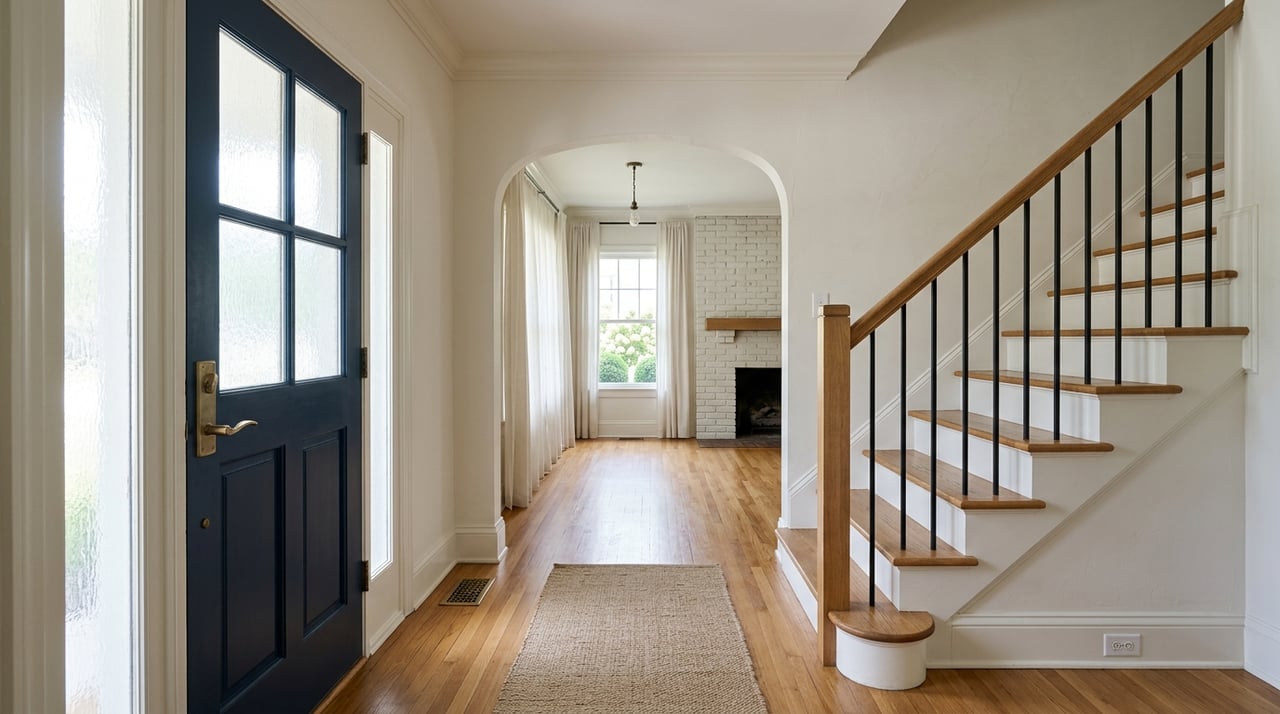
If you love original craftsmanship, mature landscaping, and homes with a strong sense of place, a vintage property may check a lot of boxes. Local design standards support high-quality materials, tree preservation, screened driveways and parking areas, and a streetscape that avoids repetitive design.
That often translates into the classic Lake Forest look many buyers are drawn to. You are not just buying a house. You are often buying into a carefully maintained architectural setting.
The Appeal of Character and Setting
Vintage homes can offer details that are hard to recreate. Depending on the property, that may include distinctive materials, established landscaping, and proportions that reflect the area’s historic scale.
In a community like Lake Forest, those features are not accidental. Local rules are built to help preserve them, which can support the visual consistency that many buyers value.
The Reality of Future Changes
The tradeoff is that future exterior work may involve more review than you expect. In local historic districts or on landmarked properties, a certificate of appropriateness is required before new construction on a vacant lot, demolition, a replacement structure, or a visible addition.
Permits cannot be issued until the appeal period has expired. In practical terms, that can mean more design review, more documentation, and a longer planning horizon before visible exterior changes can move forward.
What New Construction Offers
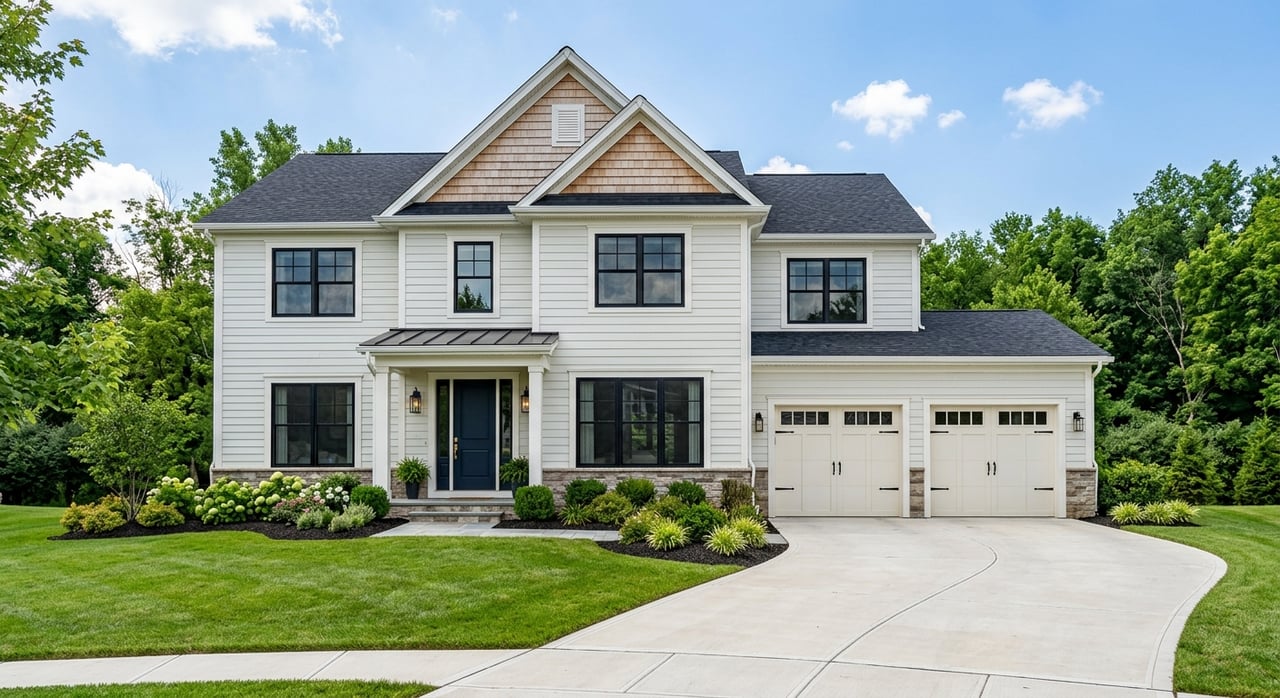
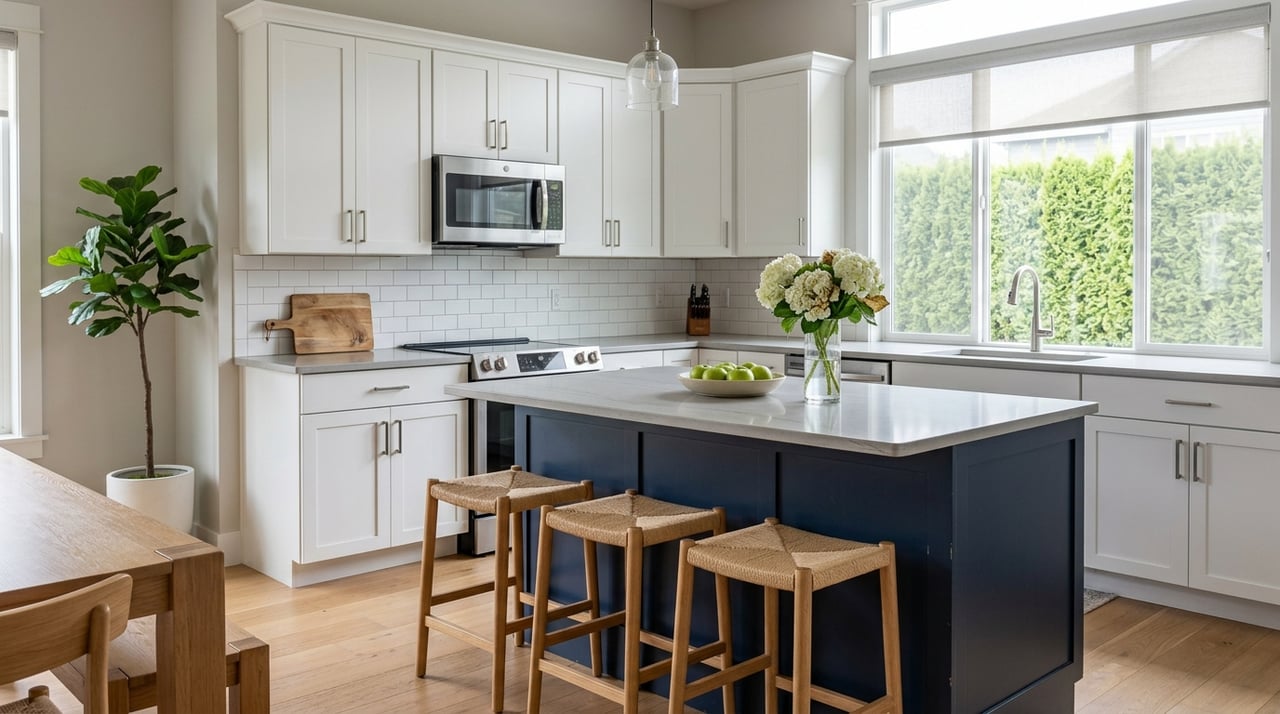
New construction appeals for good reason. If you want a modern layout, current mechanical systems, and a home designed around today’s comfort expectations, a newer build can be very attractive.
It can also be easier to achieve strong energy performance from the start. The U.S. Department of Energy says it is more cost-effective to add insulation during construction than to retrofit later, and ENERGY STAR says certified new homes are at least 10% more energy efficient than homes built to code.
For many buyers, that means a newer home may offer a simpler day-to-day living experience. You may spend less time thinking about insulation upgrades, air sealing, or aging major systems.
The Appeal of Efficiency and Layout
Newer homes often fit the way people live today. Open floor plans, updated HVAC design, and easier installation of insulation and air sealing can all contribute to comfort and operating efficiency.
If turnkey living is high on your list, new construction may feel like the clearer path. That can be especially appealing if you are relocating, managing a busy schedule, or simply want fewer immediate projects.
The Reality of Building in Lake Forest
Even so, new construction in Lake Forest is not a free-form process. City design review rules require projects to harmonize with the surrounding neighborhood, preserve natural features, minimize grading and driveway intrusion, and use high-quality exterior materials.
The building-scale ordinance also limits ridge height based on lot size and generally limits the first floor of new construction to no more than 18 inches above adjacent grade unless watershed rules require otherwise. Exceptions may be possible, but only when the project meets the design standards and specific compatibility criteria in the ordinance.
So while a new home may give you modern systems and a fresh start, it still has to feel like Lake Forest. If the site is in a local historic district or is a landmark, preservation rules may also apply to new construction, additions, and replacement buildings.
Historic Review vs Building Review
One of the most important questions to ask before making an offer is who reviews future plans for the property. That answer can shape both your budget and your timeline.
The Historic Preservation Commission reviews applications in historic districts and for landmarked properties. The Building Review Board handles projects outside historic districts, including demolitions, new buildings, additions and alterations, scale variances, exterior lighting, signs, landscaping, and site plans.
This matters because the process can be document-heavy. City application materials for new houses or major visible additions may call for surveys, elevations, floor plans, landscape plans, tree surveys, and streetscape elevations.
Maintenance and Upgrade Considerations
If you are leaning toward a vintage home, it helps to look past the charm and focus on the systems too. Many older homes have less insulation than homes built today, and air sealing plus added insulation can improve comfort and reduce energy bills.
Older homes may also call for more diligence around the age and condition of major systems. That does not mean an older home is the wrong choice. It means you should go in with a clearer maintenance mindset.
If the home was built before 1978, lead-based paint is another important item to review. EPA guidance says buyers have disclosure rights before signing a contract for most pre-1978 housing.
Questions to Ask Before You Buy
Whether you are drawn to historic charm or modern convenience, a few upfront questions can save you time and stress later.
- Is the property in a local historic district or designated as a landmark?
- What exterior work would require a certificate of appropriateness?
- Which board would review future plans for additions, demolition, rebuilding, or visible changes?
- What plans, surveys, elevations, or reports would be required for future work?
- If the home was built before 1978, what lead disclosure documents are available?
- Has the home been energy-audited, air-sealed, or insulated recently?
- If teardown or replacement is part of your long-term plan, how would local demolition-delay and replacement-building rules affect your timeline?
Lake Forest’s code says demolition permits are generally delayed for two years after application unless an exception applies. If redevelopment is part of your thinking, that point alone deserves early attention.
Which Option Fits Your Lifestyle?
For some buyers, the answer is emotional. You walk into a vintage Lake Forest home, see the materials, the lot, and the setting, and you know it feels right.
For others, the answer is practical. You want current systems, a more modern floor plan, and fewer immediate upgrade decisions.
Neither choice is automatically better. In Lake Forest, the better fit usually comes down to how you weigh character, efficiency, planning complexity, and your willingness to work within a city that places real value on preservation, scale, materials, and neighborhood fit.
If you are buying here, it helps to have a local guide who understands both the appeal and the process. Whether you are comparing an older estate property to newer construction or trying to understand what future changes may involve, Tami Hamilton can help you make a clear, informed move.
FAQs
What makes vintage homes in Lake Forest appealing?
- Vintage homes in Lake Forest often appeal to buyers who value historic character, original craftsmanship, mature landscaping, and a streetscape shaped by local preservation standards.
What should buyers know about historic districts in Lake Forest?
- In Lake Forest historic districts or on landmarked properties, certain exterior changes such as visible additions, demolition, replacement structures, and some new construction require a certificate of appropriateness before permits can be issued.
What are the benefits of new construction in Lake Forest?
- New construction can offer modern layouts, current HVAC and building systems, and easier insulation and air sealing, which may support comfort and energy efficiency.
Does Lake Forest regulate new construction closely?
- Yes. Lake Forest requires new homes to fit surrounding neighborhood character, use high-quality materials, respect scale rules, and minimize impacts to natural features, grading, and driveway placement.
What board reviews home projects in Lake Forest?
- The Historic Preservation Commission reviews applications for historic districts and landmarked properties, while the Building Review Board reviews many projects outside historic districts, including new buildings, additions, demolitions, and site-related changes.
What should buyers ask before making an offer on an older Lake Forest home?
- Buyers should ask about historic district or landmark status, review requirements for future exterior work, the age and condition of major systems, recent insulation or air-sealing updates, and lead disclosure documents if the home was built before 1978.