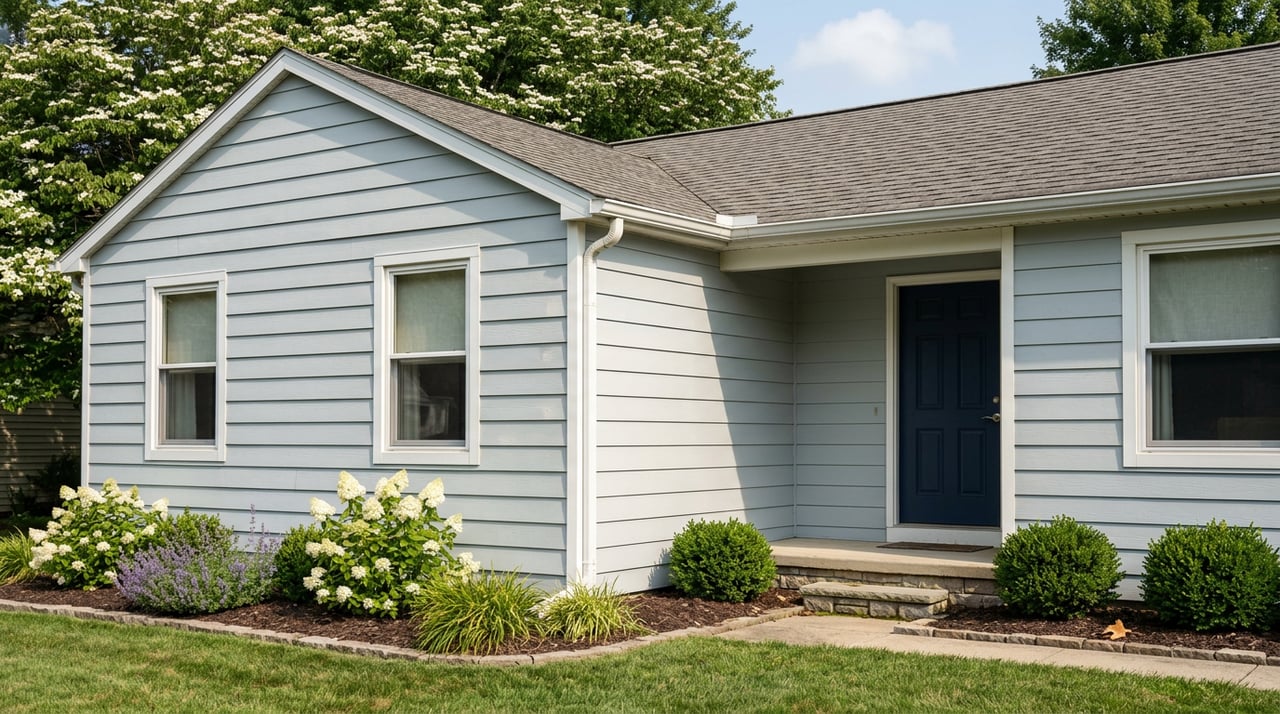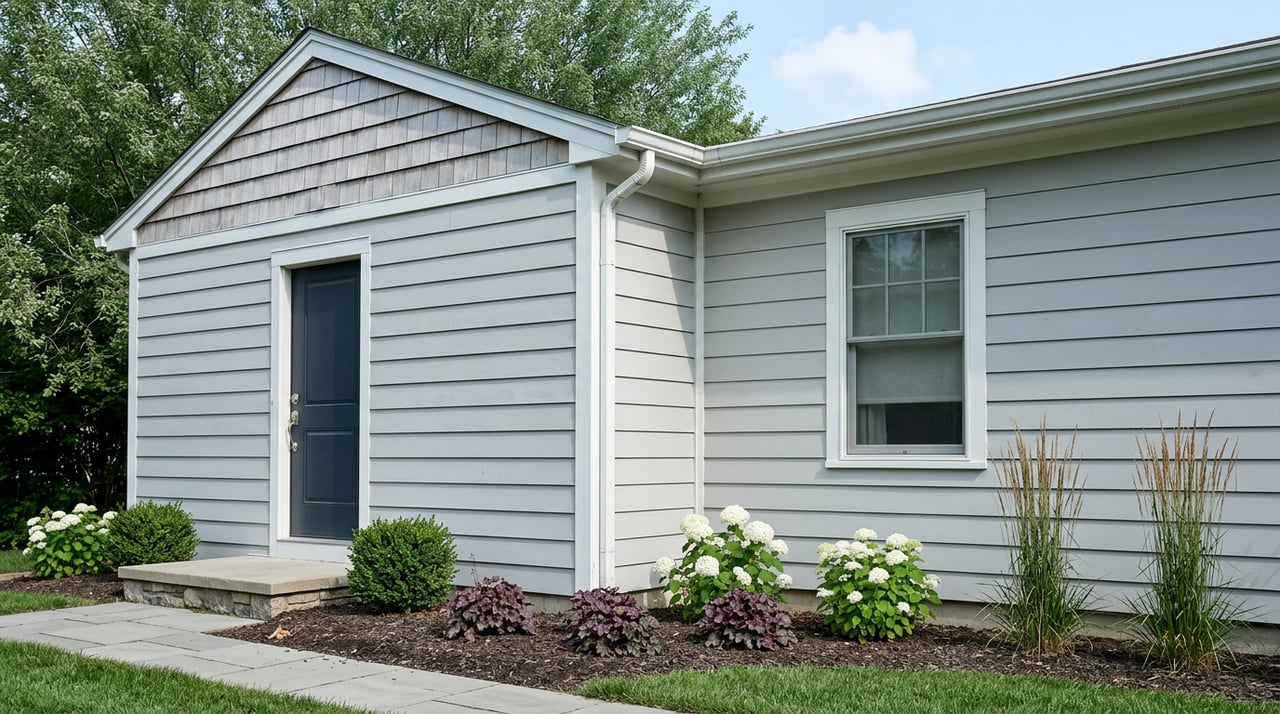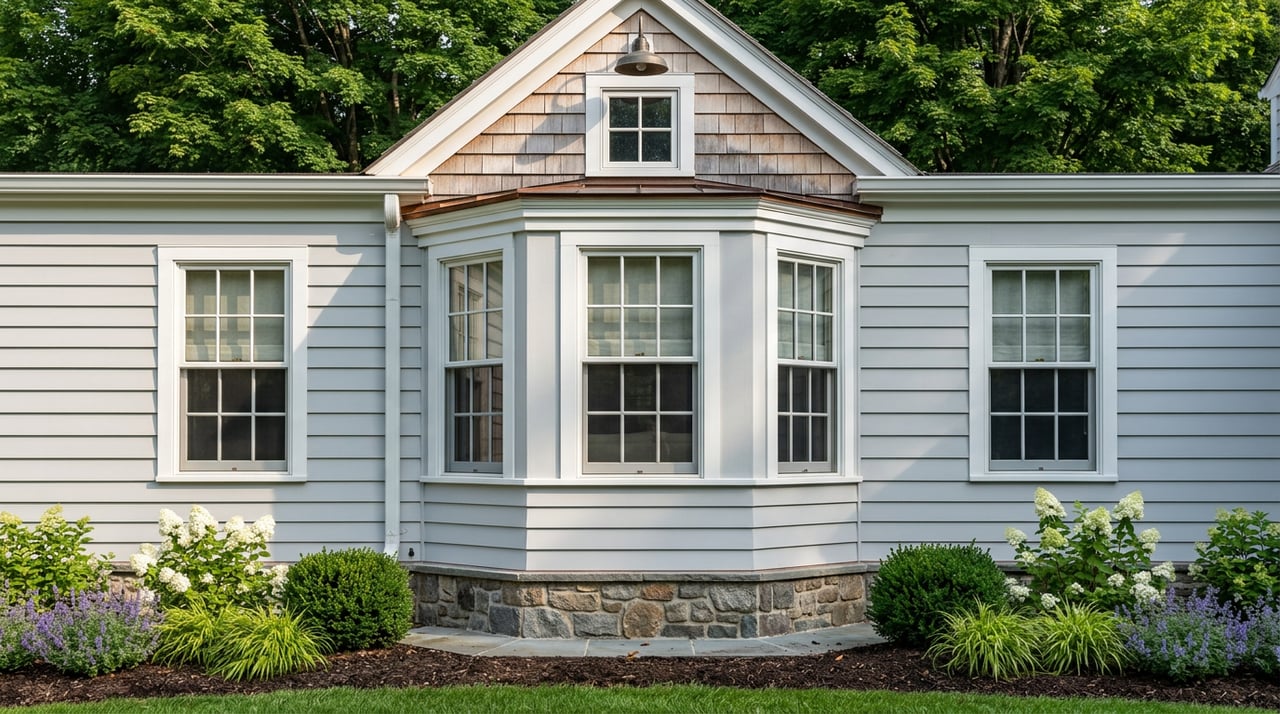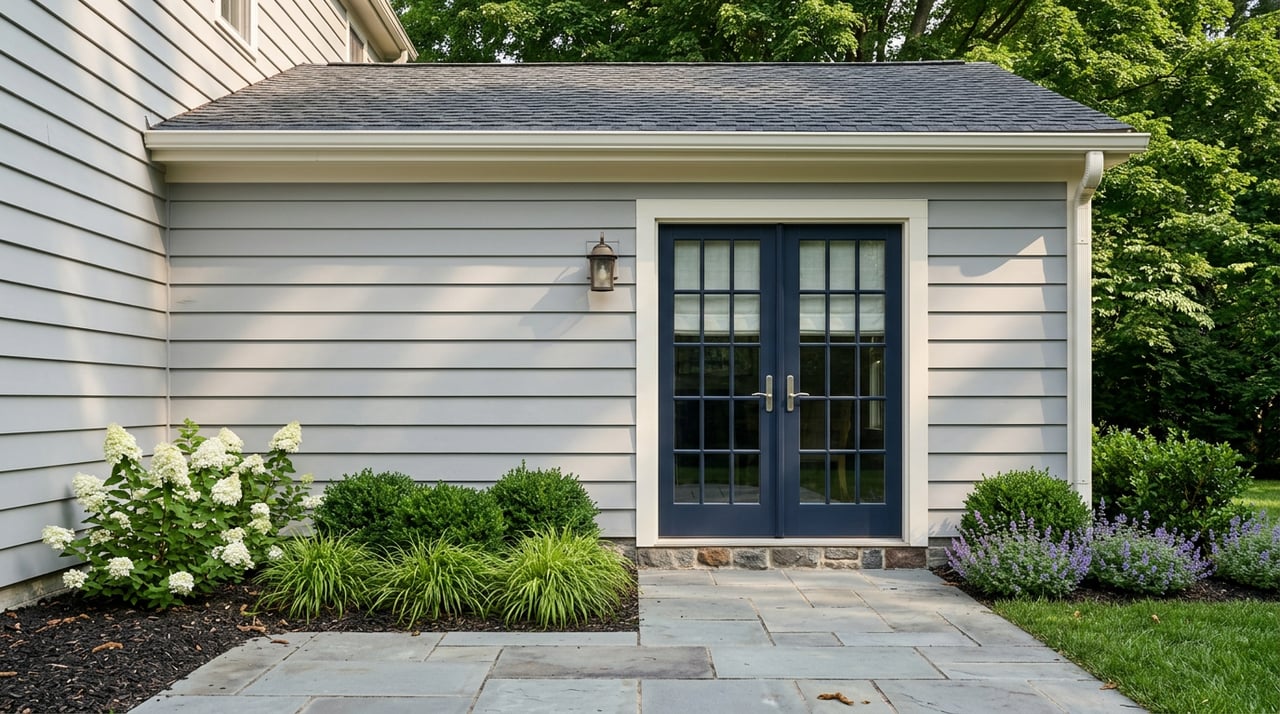
Thinking about trading downtown Chicago’s fast pace for a little more breathing room? If you are considering a move to Barrington, you are likely weighing a very real lifestyle shift: less density and more space, a different commute rhythm, and a day-to-day routine that feels more suburban than city-centered. The good news is that Barrington offers a clear mix of village-center convenience, commuter rail access, and strong access to parks and open space. Here is what to know before you make the move.
How Barrington Feels Different
If you are moving from the Loop or nearby downtown neighborhoods, Barrington will feel noticeably different right away. Barrington is a village of about 10,615 people, located roughly 40 miles northwest of Chicago, and it serves as the hub of a broader 90-square-mile Barrington area made up of seven independent villages, according to the U.S. Census Bureau and the village.
That smaller scale shapes daily life. Barrington describes itself as a historic, small-town environment with a village center, shopping, dining, and community events. By contrast, Chicago’s Loop is the city’s official downtown core, with a dense, highly connected urban setting near Lake Michigan and the Chicago River.
For many buyers, the biggest appeal is simple: you usually gain more space and a quieter setting. At the same time, you give up some of the instant, all-day convenience that comes with downtown living.
Commute Options From Barrington
One of the first questions most downtown relocators ask is whether they can still get into the city without turning every workday into a headache. In Barrington, the key answer is Metra.
The village’s Metra station sits right in the village center and includes commuter parking. Barrington’s main downtown connection is the Union Pacific Northwest line, which makes rail commuting one of the most practical options if you still work in or visit Chicago regularly.
CTA’s regional transit information notes that Metra operates 12 commuter lines from downtown terminals, with more frequent rush-hour service and off-peak trains generally running every 1 to 2 hours. That is an important difference from downtown Chicago life, where frequent CTA service and dense transit connections often make spontaneous trips easier.
In other words, Barrington supports commuting well, but it does not function like the Loop. If you move here, you may shift to more planning, more driving to the station, and a more structured rail routine.
Barrington’s mean travel time to work is 30.5 minutes, based on Census QuickFacts. Your own travel time will depend on where you work and how often you need to be in the city, but the broader pattern fits what many buyers expect from a commuter suburb.
Housing Tradeoffs To Expect
For many people relocating from downtown Chicago, housing is where the move starts to make the most sense. Barrington’s housing stock is much more suburban and owner-oriented than a central-city condo market.
The Census Bureau reports a 78.4% owner-occupied housing rate in Barrington, with a median owner-occupied home value of $582,500 and a median gross rent of $1,500. Those numbers help frame the market, but the bigger lifestyle takeaway is the type of housing you are more likely to find.
Barrington’s comprehensive plan notes 2,817 single-family detached units compared with 1,089 multi-family units in 2015-2019 ACS data. The same plan describes future multi-family development as most appropriate in lower-scale forms like townhomes or rowhomes, rather than dense high-rise living.
That means if you are leaving a downtown condo or apartment, Barrington may offer:
- More interior square footage
- Better odds of a yard or outdoor space
- More garage and storage potential
- Less vertical density
- A more residential neighborhood pattern
The tradeoff is just as important to understand. You may lose the walk-out-your-door access to a long list of restaurants, services, and transit options that many downtown residents enjoy.
Daily Life In Barrington
Barrington is not just a place where you sleep after commuting. Its village center plays a real role in everyday life.
According to the village’s comprehensive plan for the village center, downtown Barrington includes a mixed-use core with retail, service, office, residential, and civic uses. The plan specifically references places and destinations such as Jewel, Heinen’s, restaurants, the Catlow Theater, the Ice House Mall, and Barrington’s White House.
That gives you a different type of convenience than downtown Chicago. Instead of a dense urban grid with CTA, Metra, Pace, and water taxi connections concentrated nearby, you get a smaller, more local routine centered around the village core.
For many households, that translates into more intentional errands, calmer evenings, and a stronger small-town feel. If that sounds like the lifestyle you want, Barrington can be a strong fit.
Outdoor Space Is A Major Draw
One of Barrington’s biggest advantages over downtown Chicago is access to open space. If your current routine feels short on greenery, trails, or room to unplug, this part of the move may be especially appealing.
The village says the Barrington area is known for open spaces, equestrian heritage, horse and hiking trails, and preserves including Cuba Marsh, Grassy Lake, Deer Grove, and Spring Creek. That outdoor identity is a real part of how the area functions and feels.
The Barrington Park District also adds everyday recreation at Langendorf Park, Citizens Park, and Ron Beese Park, including a pool, splashpad, sports fields, and trail connections. Nearby Lake County preserves expand those options even more.
For example:
- Cuba Marsh offers 3 miles of trails across 791 acres
- Grassy Lake offers 5.6 miles of trails across 691 acres
If you are used to downtown walks along city streets, riverfront routes, or lakefront paths, Barrington gives you a different experience. Here, outdoor time often means preserves, park trails, and a quieter natural setting.
Who Barrington Often Fits Best
Barrington is not automatically better than downtown Chicago. It is simply better for some priorities than others.
You may feel good about relocating to Barrington if you want:
- More living space
- A less dense environment
- A commuter rail option to Chicago
- Easier access to parks, preserves, and trails
- A village-center setting instead of a major downtown core
You may want to think more carefully if your top priorities are:
- Frequent all-day transit service
- High walkability to a large number of destinations
- Spontaneous nightlife and dining variety
- A fully urban, car-light lifestyle
This is really a question of fit. The right move depends on how you want your daily routine to feel, not just where you want to live on a map.
What To Consider Before You Move
Before relocating from downtown Chicago to Barrington, it helps to evaluate the move through a few practical lenses.
Commute Reality
If you will still travel into Chicago often, test the route in real life if possible. Look at train timing, station parking, and how comfortable you are with a schedule that is more commuter-focused than downtown transit.
Space Needs
Think about what you actually want more of. It could be bedrooms, storage, a home office, a yard, or a garage. Barrington’s housing mix often supports those goals better than a dense urban market.
Routine And Convenience
Consider how often you rely on walkable, instant-access amenities today. Barrington has a meaningful village center, but it will not replicate the density or spontaneity of the Loop.
Lifestyle Priorities
Ask yourself where you feel most at home. Some buyers want energy and speed. Others want open space, quieter streets, and a more grounded pace.
Making A Smooth Transition
A move from downtown Chicago to Barrington works best when you treat it as a lifestyle decision, not just a real estate decision. The right home is important, but so is understanding the rhythm of the area, how the commute will work, and what your day-to-day life will actually look like once the boxes are unpacked.
If you are weighing Barrington against city living, having a local guide can make the process much easier. Tami Hamilton can help you compare options, understand the tradeoffs, and find a home that fits the way you want to live.
FAQs
Is Barrington a good option for commuters going to downtown Chicago?
- Barrington can work well for commuters because its village-center Metra station connects to downtown Chicago on the Union Pacific Northwest line, but service is more commuter-oriented than downtown CTA transit.
What is the biggest lifestyle change when moving from downtown Chicago to Barrington?
- The biggest shift is usually trading urban density and all-day transit convenience for more space, quieter surroundings, and stronger access to parks, preserves, and a village-style downtown.
What types of homes are more common in Barrington than downtown Chicago?
- Barrington has a more suburban housing mix, with a larger share of single-family detached homes and an owner-occupied rate of 78.4%, according to the U.S. Census Bureau.
Does Barrington have a walkable downtown area?
- Barrington has a village center with retail, dining, grocery options, civic uses, and destinations like the Catlow Theater and Ice House Mall, according to the village’s comprehensive plan, but it is different in scale and density from downtown Chicago.
What outdoor amenities are available near Barrington?
- Barrington is known for open space, trails, and preserves, including Cuba Marsh, Grassy Lake, Deer Grove, and Spring Creek, along with park district amenities like parks, sports fields, a pool, and a splashpad.