Ever scroll Lake Forest listings and wonder why one home feels like an English storybook while another reads like a sun-filled modern retreat? You are not imagining it. This city was designed to be beautiful, and its homes reflect that intent. In this guide, you will learn how to spot the major architectural styles around town, where they tend to cluster, and what living in each style is like. Let’s dive in.
How Lake Forest got its look
Lake Forest was first laid out in 1857 with a “city in a park” plan that prioritized open space and careful siting. That framework still shapes the feel of large lots, mature trees, and scenic streets today, as local preservation leaders note in their history of planning here (Lake Forest Preservation Foundation).
In 1916, architect Howard Van Doren Shaw designed Market Square, often cited as one of the first planned shopping centers in the U.S. Its coordinated buildings and village character set a tone for thoughtful design in the city’s core (SAH Archipedia on Market Square).
Across town, you will also find multiple National Register historic districts and notable homes by architects like David Adler, Shaw, George Fred Keck, and Frank Lloyd Wright. Those designations offer helpful clues about where certain styles concentrate (see the National Register listings for Illinois on the NPS site).
Signature home styles you will see
Classic country estates (Georgian, Beaux Arts, French Eclectic)
These are the grand properties you notice on park-like lots with formal façades, stone or brick cladding, and terraces. Many include carriage houses and walled gardens. Interiors often feature formal parlors, dining rooms, service wings, and high-quality historic millwork. Federal and local design listings highlight concentrations of these estates, especially near the lake and along key corridors (see National Register listings).
Living here feels private and scenic. You can expect generous gardens and rooms that work well for hosting. Be ready for specialized maintenance and thoughtful renovation planning. Sensitive updates are the norm so original materials and character stay intact.
Tudor Revival and English country
Think steep gables, half-timbering, tall chimneys, and leaded glass. Inside, you often find cozy wood-paneled rooms and smaller, compartmentalized layouts. For a quick style refresher, this concise guide explains Tudor and other common American house styles (ThoughtCo overview).
You will see these homes in planned enclaves like Deerpath Hill Estates and in parts of east Lake Forest developed between the 1910s and 1930s. Many buyers love the intimate, storybook feel. Expect lighter yard work than a full estate but plan for kitchen and bath updates to fit today’s living.
Colonial, Georgian, and Classical Revival
Symmetry, brick or clapboard, classical columns, and centered front doors with sidelights are the calling cards here. These homes show formal order and clean lines that are easy to furnish. You will find examples throughout several historic neighborhoods and subdivisions where revival styles were popular. Preservation resources document these areas and the care owners take to maintain them (Lake Forest Preservation in Action).
Inside, layouts are straightforward and formal. Some owners open walls to connect kitchens and family rooms. The restrained exterior detailing appeals to buyers who prefer timeless curb appeal.
Arts & Crafts and Shingle (Howard Van Doren Shaw influence)
Look for natural materials, handcrafted details, and strong indoor-outdoor flow. Rooms tend to feel warm and human scaled, with hearths and garden views taking center stage. A standout local example is Ragdale, Shaw’s own estate, which shows how architecture and landscape weave together here (Ragdale history).
These houses appear around Green Bay Road and in areas where Shaw and his peers worked. Maintenance is material-specific. Wood shingles and stone deserve knowledgeable care, but the payoff is a home that lives comfortably and connects to its setting.
Midcentury modern and Modernist (Usonian, Keck & Keck)
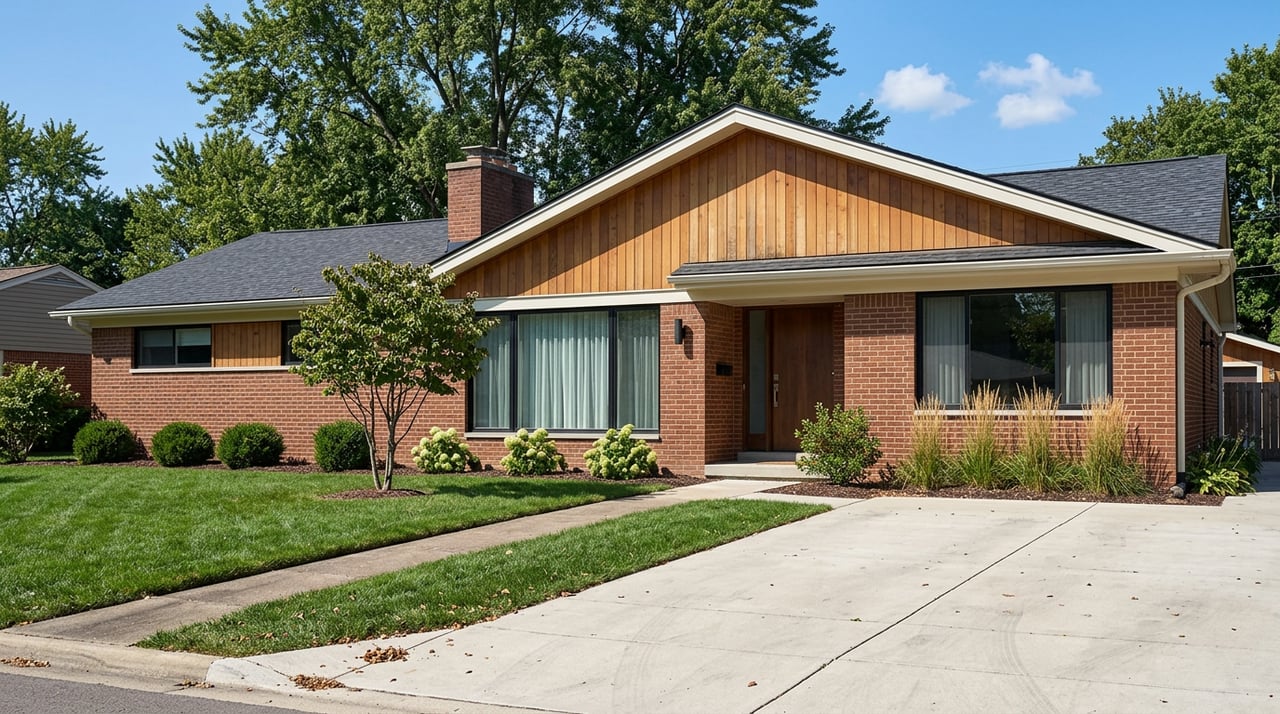
Expect low horizontal lines, open plans, clerestory windows, and walls of glass framing ravine or bluff views. Several Lake Forest modernist homes have come before the city’s Historic Preservation Commission for review, including notable Keck- and Wright-era properties (HPC minutes, 6/26/2019).
These homes feel bright and closely tied to the landscape. Be prepared to evaluate glazing, original mechanicals, and flat or low-slope roofs. Preservation interest is rising, and many buyers balance energy upgrades with respect for the original design.
Contemporary and large custom homes
You will see expansive glass, modern amenities, and indoor-outdoor entertaining spaces in newer builds. On the North Shore, recent reporting has noted active lakefront construction and debate over teardowns and scale (North Shore teardown and new-build trends).
These homes deliver modern comfort with fewer historic constraints. Design review often focuses on compatibility, landscape impact, and thoughtful site planning. Work with your broker to understand neighborhood context and review processes so your plans align with local expectations.
Where styles cluster in Lake Forest
- Market Square and the downtown core. Shaw’s coordinated 1916 design shaped the compact village feel and remains a civic hub (Market Square overview).
- East Lake Forest and the Sheridan Road lakefront. Estate-era properties and some of the city’s most significant historic homes cluster here (see National Register materials for district boundaries and listings).
- Green Bay Road Historic District. A mix of Arts & Crafts, revival styles, and early 20th-century country houses appears along this corridor.
- Deerpath Hill Estates. A planned community known for its concentration of English and revival-style homes from the 1920s and 1930s.
- West Park and Vine–Oakwood neighborhoods. Smaller-scale, well-preserved homes show Craftsman, foursquare, and Colonial Revival influences, as documented in local preservation resources (Preservation in Action).
How to evaluate a listing by style
- Check designations. A property’s presence in a National Register district or as a local landmark can guide renovation approach and review requirements. The city’s Historic Preservation Commission provides oversight for designated areas, with examples reflected in public minutes (HPC minutes).
- Know the local code. Downtown and certain districts follow specific review standards, including the B-4 Preservation Business District. It pays to understand Chapter 155 and related standards early in your planning (City of Lake Forest code).
- Anticipate age-appropriate maintenance. Estates may need masonry, slate roof, or leaded glass work. Midcentury homes often require attention to glazing, flat roofs, and original systems. New builds may involve tree protection and compatibility reviews. Local resources and guides provide deeper context and examples (Architectural Lake Forest guide).
Quick style vocabulary to spot on a walk
- Half-timbering. Dark wood framing with stucco infill, common on Tudor exteriors.
- Inglenook. A small seating niche by the fireplace, often in Arts & Crafts or Tudor interiors.
- Portico, pediment, and quoins. Classical features you will see on Colonial and Georgian façades.
- Clerestory. High horizontal windows that bring in daylight while maintaining privacy, frequently used in modern homes.
- Coach or carriage house. A secondary outbuilding behind larger estate houses, sometimes converted to guest space.
Ready to find your fit?
Whether you love the formality of a Georgian, the warmth of Arts & Crafts, or the light of a midcentury modern, the right home is out there. If you want a local guide who understands style, neighborhood context, and the steps it takes to buy or sell well in Lake Forest, connect with Tami Hamilton. We will tailor a plan to your goals and make your next move simple and rewarding.
FAQs
What are the main home styles in Lake Forest?
- You will see classic country estates, Tudor Revival, Colonial and Georgian Revival, Arts & Crafts/Shingle, midcentury modern, and contemporary custom homes.
Where can I find Tudor Revival homes in Lake Forest?
- Tudor and English-influenced homes are common in Deerpath Hill Estates and parts of east Lake Forest that developed in the 1910s to 1930s.
How does a historic district or landmark status affect renovations?
- Local review may apply in designated areas, with the Historic Preservation Commission and city code guiding changes, especially in the downtown preservation district.
What should I know about midcentury modern homes before buying?
- Expect evaluation of glass, flat or low-slope roofs, and original mechanicals. Many buyers balance energy upgrades with respect for the original design.
Are new contemporary builds common on the lakefront?
- Yes, new luxury construction appears on high-value parcels, with community discussions often focusing on scale, compatibility, and landscape impact.